What Driving Lessons in Wandsworth Typically Involve
Hazard awareness is woven into lessons from an early stage rather than treated as a separate topic near the end of a course. This includes recognising the actions of cyclists, buses and pedestrians, judging safe gaps at junctions, and understanding how conditions such as wet roads affect stopping distances. Developing this awareness gradually, alongside basic vehicle control, tends to produce more naturally confident and safer drivers by the time they reach test standard.
How often lessons take place is usually agreed between learner and instructor based on individual circumstances. Some learners prefer one lesson a week over a longer period, allowing time to absorb each new skill, while others choose more frequent sessions to build momentum and reach test readiness sooner. Neither approach is inherently better, and the right choice depends on budget, availability and how quickly the individual learner tends to pick up new skills.
Clear, ongoing feedback should be a consistent part of every lesson, not something reserved for a final review. A good instructor will point out when a particular skill has reached test standard and will equally be honest when more practice is needed, since testing before genuine readiness rarely benefits the learner. This kind of straightforward, specific feedback helps learners understand exactly where they stand at each stage of their training.
Wandsworth's road network presents a genuinely varied mix of conditions within a compact area, which is useful for learners building a well-rounded set of driving skills. The town centre includes a one-way gyratory system with multiple lanes and junctions, while surrounding residential streets offer calmer conditions better suited to early lessons. Instructors typically sequence training to move from these quieter streets towards the busier gyratory and main roads as a learner's confidence and observation skills develop.
Sections of the South Circular Road run through the area, exposing learners to faster-moving, multi-lane traffic earlier in their training than they might encounter in a purely residential location. Learning to judge speed, manage lane discipline and read traffic signals confidently on this type of road is a genuinely useful skill to develop before a practical test, since similar road types can appear in test routes depending on where the test centre is based.
Driving Conditions and Road Layout in Wandsworth
Junctions around Wandsworth vary considerably, from simple give-way junctions on residential streets to more complex, multi-lane junctions feeding into or out of the gyratory system. Learners are usually introduced to these gradually, starting with straightforward junctions and building towards more demanding layouts once observation, timing and confidence are established. Rushing this progression tends to create hesitation and confusion later, so instructors generally take a measured approach here.
Bus routes and pedestrian activity are a consistent feature of driving around the town centre, and learners need to develop awareness of buses pulling in and out of stops, cyclists sharing road space, and pedestrians crossing outside formal crossings. This is an area where genuinely local experience matters, since these situations occur more frequently in this kind of built-up town centre setting than they would in a quieter suburban area.
Parking and manoeuvres are practised in a range of settings depending on what is realistically available, including quieter side streets away from the busiest traffic. Learners are usually introduced to manoeuvres once basic vehicle control is reasonably secure, since manoeuvres depend heavily on coordinating clutch control, steering and observation together. Practising in varied, realistic conditions helps prepare learners for the possibility that a test manoeuvre may not take place in an entirely quiet or convenient location.
The choice of instructor has a noticeable effect on how quickly and comfortably a learner progresses, since teaching style and personal rapport matter as much as technical knowledge. Some learners prefer a structured, step-by-step teaching approach with clear instructions at each stage, while others do better with a more relaxed, conversational style that keeps pressure to a minimum. Being honest about this preference when starting lessons generally leads to a better overall learning experience.
Experience with different types of learners is also worth considering when choosing an instructor. Complete beginners need concepts explained from first principles, nervous learners often need extra reassurance and a calmer pace, and experienced but rusty drivers usually need refreshing rather than a full return to basics. An instructor comfortable adapting their approach across these different situations is generally well placed to support a wide range of learners effectively.

Choosing the Right Driving Instructor
The quality of feedback given during lessons is a good indicator of teaching quality. Specific, constructive comments, such as identifying exactly where observation was missed at a particular junction, are more useful than general comments about needing to concentrate harder. Learners tend to progress faster when they understand precisely which habit needs adjusting and why it matters for safe driving.
Consistency also plays a practical role in learning to drive efficiently. Sticking with the same instructor throughout a course allows lessons to build progressively without needing to re-explain context at the start of each session, and it allows the instructor to track genuine progress over time rather than reassessing ability from a blank slate on every visit.
Learners are encouraged to be clear about their goals from the outset, whether that means passing a test by a particular date, building general driving confidence, or preparing for something specific such as motorway driving after passing. Sharing this information early allows an instructor to plan a more relevant, focused course of lessons rather than defaulting to a generic structure that may not match individual circumstances.
Learners can generally choose between manual and automatic driving lessons, and the better option depends on personal circumstances rather than either being universally superior. Manual lessons involve mastering clutch control and gear changes alongside every other driving skill, while automatic lessons remove that element entirely, allowing more concentrated focus on observation, positioning and hazard awareness from an earlier stage. A manual test pass also permits driving automatic vehicles, whereas passing in an automatic restricts a licence to automatic vehicles only.
Some learners opt for manual lessons because they want the flexibility to drive either type of vehicle in future, or because a manual car is what they expect to drive regularly once qualified. Others find that clutch control adds an unnecessary layer of difficulty during early lessons, particularly if coordination is already proving challenging, and prefer to remove that variable by learning in an automatic vehicle instead.
Manual or Automatic Driving Lessons in Wandsworth
Automatic lessons are often chosen by learners who anticipate clutch control being a significant obstacle, or who already know an automatic vehicle suits their future driving plans. With gear changes removed from the equation, some learners find they progress through junctions, roundabouts and manoeuvres more quickly, since there is one fewer skill competing for attention during each lesson.
Neither route is easier to pass overall, since the practical test standard for observation, hazard awareness and vehicle control remains broadly consistent regardless of transmission type. The right decision ultimately comes down to personal preference, future driving plans, and how a learner feels about taking on clutch control alongside everything else involved in learning to drive.
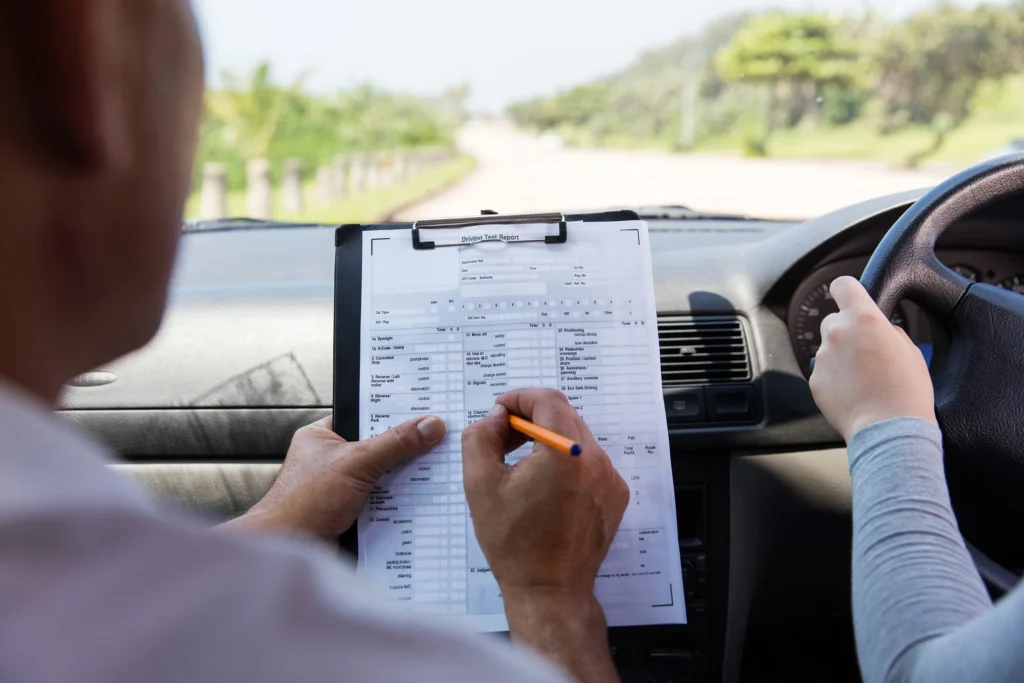
Test preparation is treated as an ongoing part of training rather than something addressed only in the final few lessons. From a relatively early stage, instructors explain which skills are assessed during the practical test and how they are judged, giving learners a clear sense of the standard they are working towards throughout their course rather than only near the end.
As ability develops, lessons increasingly reflect the structure of the actual test, including independent driving sections where the learner follows directions from a sat-nav or verbal instructions with reduced guidance from the instructor. Practising this element properly matters, since it assesses a learner's ability to make decisions and manage a drive independently, which can feel noticeably different from earlier, more instructor-led lessons.
Mock test conditions are usually introduced once a learner is close to test standard, closely replicating the timing, format and pressure of a genuine test. This includes practising the show-me-tell-me vehicle safety questions, at least one manoeuvre, and maintaining composure under assessment conditions rather than simply practising freely. Mock tests can reveal nerves or habits that only surface under genuine test-like pressure, allowing time to work on them before the real assessment.

Getting Ready for Your Practical Test
Common areas where marks are lost include observation at junctions, positioning through multi-lane sections such as those around the gyratory, and maintaining reasonable progress without becoming overly cautious. Instructors typically flag these patterns as soon as they appear during lessons, since recognising a specific habit is the first step towards correcting it properly before it affects test performance.
Deciding when to book a test should be a joint decision between learner and instructor, based on genuine, consistent readiness rather than pressure to test as soon as possible. Testing before core skills are reliably solid across a range of driving situations often leads to an unnecessary attempt, whereas waiting until an instructor confirms consistent, test-standard performance generally produces a better outcome.
The cost of learning to drive depends on several factors rather than a single fixed rate, and understanding these helps learners plan a realistic budget. Lesson duration is one of the main variables, since longer lessons cost more per session but can offer better value by reducing time spent on repeated warm-up and recap at the start of each drive.
Whether lessons are taken in a manual or automatic vehicle can also affect cost, partly because instructors offering automatic tuition are sometimes less widely available than those teaching manual. The choice between standard, spread-out lessons and a more intensive course also influences pricing, since intensive training compresses a similar volume of tuition into a shorter timeframe, which affects how packages are typically structured.
Block bookings or lesson packages are often available as an alternative to paying for individual sessions. These can sometimes offer better value across a full course of lessons, though the right choice depends on how confident a learner feels about their likely rate of progress and how much scheduling flexibility they want. Learners who are unsure how many lessons they will need may prefer to start with a smaller number before committing to a larger package.
Lesson Costs and What Influences Them
Additional training needs can also affect overall cost, particularly for learners returning after previous lessons elsewhere, those needing focused work on a specific weak area such as roundabouts or manoeuvres, or those planning further training after their test, such as motorway lessons or a Pass Plus course. Being upfront about previous experience and specific concerns at the start allows for a more accurate estimate of the lessons likely needed.
Rather than focusing purely on the cheapest available rate, learners generally get better overall value by weighing up the quality and structure of tuition alongside cost. A well-planned course of lessons that progresses efficiently towards test readiness can work out more cost-effective than a larger number of less structured lessons. Discussing expected costs and lesson structure clearly before starting helps avoid confusion or surprises later on.
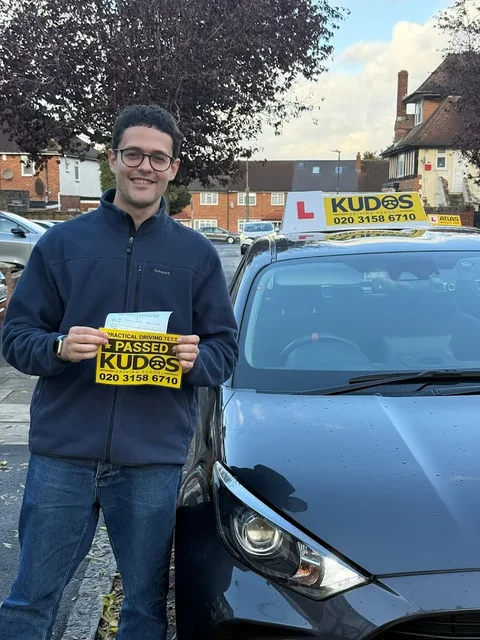
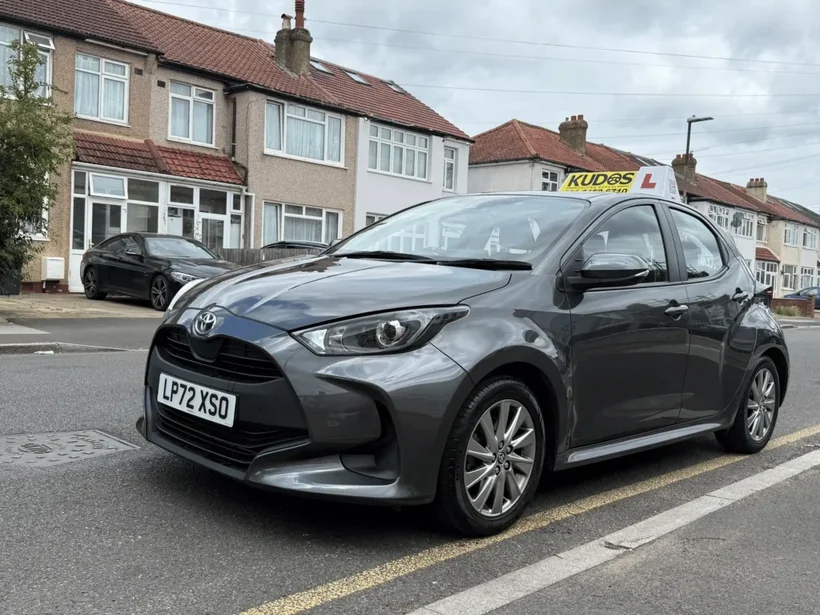
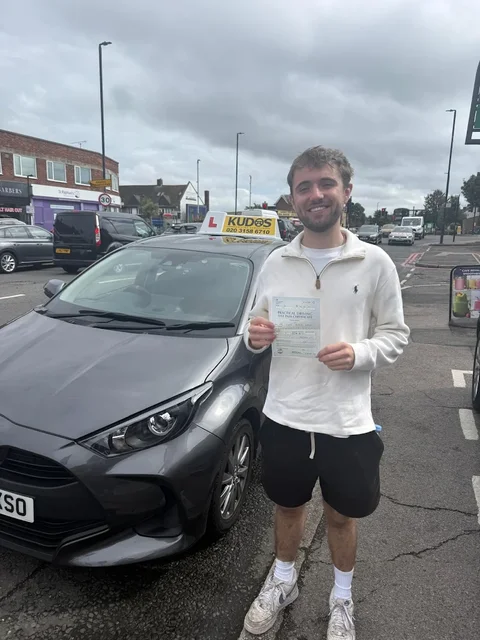
Driving lessons in Tooting are available for learners at every level, from complete beginners to those putting the finishing touches on their skills ahead of a practical test. Kudos Driving School provides tuition across the area, structured around the realities of driving in a busy, built-up part of south London. Lessons progress at a pace suited to the individual, with time spent on whichever skills need the most attention rather than following a fixed script.
This kind of tuition is relevant to a wide range of learners. Complete beginners benefit from starting with a patient, structured introduction to vehicle control, while those who've already had some lessons elsewhere can continue building on existing skills. Nervous learners often do better with an instructor who understands the value of a calm, unhurried approach, and returning drivers looking to rebuild confidence after time away from the wheel will also find this style of tuition useful. Learners approaching their test benefit from more focused, test-oriented sessions.
The sections below cover what learning to drive in Tooting actually involves, the choice between manual and automatic tuition, how test preparation is typically approached, and the factors that influence how many lessons a learner might need. Pricing is also addressed, focusing on what genuinely affects the cost of lessons rather than quoting fixed figures.

.webp)