Driving Conditions and Learning to Drive in Tooting
Parking is a genuine consideration in the area, with on-street parking common in residential roads and more limited, often restricted parking closer to the high street. Learners benefit from practising manoeuvres such as parallel parking and bay parking in realistic, sometimes tight spaces, since this reflects the kind of parking they'll actually need to manage once driving independently.
As learners progress, lessons typically extend to a wider range of roads, including busier connecting routes, to build familiarity with different traffic conditions. This broader exposure helps ensure that skills learned in Tooting transfer well beyond the immediate area, which is particularly useful once a learner starts driving independently after passing their test.
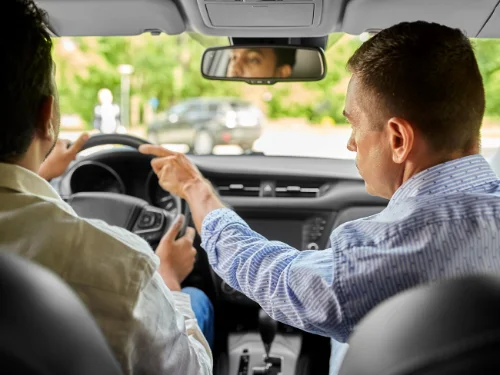
Most lessons begin with a brief conversation about what was covered previously and what the current session will focus on. This gives the lesson a clear structure and helps the learner understand why particular skills are being practised, rather than simply following instructions without context. It also gives the instructor a chance to adjust the plan if a particular area needs more time than expected.
Fundamental skills such as clutch control, gear changes, steering and effective mirror use are introduced early and reinforced consistently across lessons. These aren't treated as one-off topics; instructors return to them regularly, since a shaky grasp of the basics tends to cause problems later when learners attempt more complex manoeuvres or busier roads.
Hazard awareness is built in from an early stage, well before manoeuvres or independent driving are introduced. This includes noticing pedestrians stepping out, parked cars opening doors, and cyclists changing position, then responding with appropriate timing rather than reacting at the last moment. This kind of awareness develops through varied, repeated exposure to real driving situations.
What Happens During a Driving Lesson
Manoeuvres, including reverse parking, bay parking and safely pulling up on the left, are usually broken into smaller steps before being combined into a single smooth action. Instructors typically introduce these in quieter locations first, allowing the learner to build the necessary coordination without the added pressure of heavy traffic.
In the later stages of learning, lessons place greater emphasis on independent driving, where the learner follows directions, road signs or a satnav with minimal input from the instructor. This closely mirrors what's assessed during the practical test and helps learners get used to making their own decisions on the road.
Choosing between manual and automatic lessons depends on individual circumstances, and neither option is inherently better for every learner. Manual lessons include clutch control and gear changes alongside the core driving skills, while automatic lessons remove this element, which allows some learners to progress more quickly through positioning, observation and manoeuvres.
A manual licence permits a driver to legally drive both manual and automatic vehicles, which is why many learners still choose the manual route even if they expect to drive an automatic car afterwards. An automatic licence, on the other hand, restricts the driver to automatic vehicles only, which is an important consideration for anyone unsure what type of car they'll be driving in future.
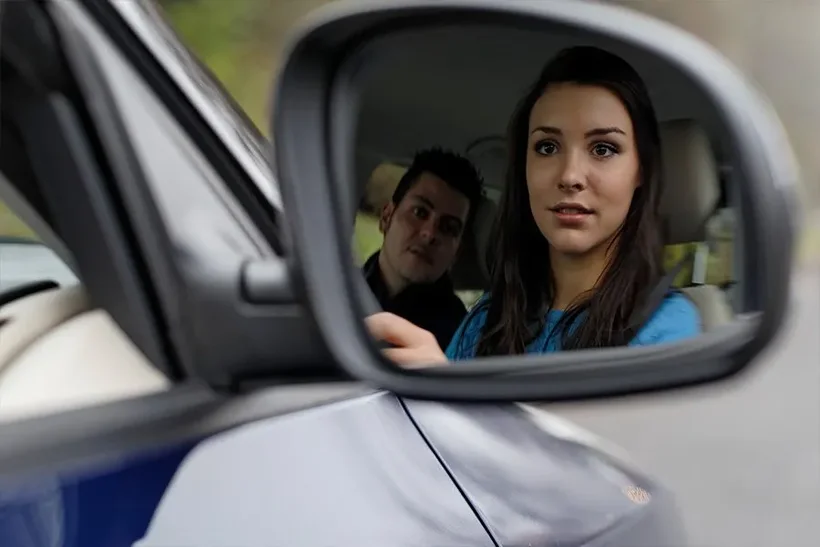
Some learners find automatic lessons less overwhelming early on, since there's one less skill to coordinate while they're still adjusting to being behind the wheel. This can suit those who feel anxious about managing several tasks simultaneously. Others prefer starting with manual, either due to prior experience or because they want the added flexibility a manual licence provides.
Manual or Automatic Lessons in Tooting
There's no universally correct answer here, and the decision often comes down to personal comfort, future driving plans and how a learner feels about the extra coordination manual driving requires. Discussing this with an instructor before starting lessons can help clarify which option is the better fit.
Test preparation typically becomes more structured once a learner has developed solid core skills and can manage a range of driving situations with growing independence. At this stage, lessons shift towards refining specific manoeuvres, tightening observation habits, and building the consistency examiners look for during the test itself.
Mock test sessions are a useful way to simulate real test conditions, including the independent driving section and standard manoeuvres, under a level of pressure that's difficult to replicate in an ordinary lesson. These sessions often reveal areas that need extra attention, since performance under test-like conditions can differ noticeably from performance during relaxed practice.
Familiarity with the general type of roads used for local tests can also help, not because a specific route is memorised, but because learners become more comfortable with the kinds of junctions, roundabouts and traffic conditions they're likely to face. This reduces the number of unfamiliar elements a learner has to process on test day.
Common reasons learners don't pass first time often relate to observation at junctions, incorrect positioning, or hesitation during manoeuvres. Lessons in the run-up to a test are usually tailored to address whichever of these areas needs the most reinforcement for that particular learner, rather than covering every topic equally.
Preparing for Your Practical Driving Test
Choosing the right time to book a test matters as much as the preparation itself. Learners are generally advised to book once they're performing consistently well across a range of situations, rather than setting a date too early and adding unnecessary pressure to the final stage of learning.
The number of lessons required varies considerably between learners, depending on factors such as prior experience, natural aptitude, lesson frequency and how quickly core skills are picked up. There's no fixed number that applies universally, and it's worth being cautious of any suggestion that a set figure guarantees test readiness.
Complete beginners generally need more lessons than those with some informal driving experience, simply because more time is required to build fundamental control skills from the ground up. Learners who've had lessons before, even a while ago, often progress a little faster once those earlier foundations are refreshed.
Lesson frequency has a noticeable impact on progress. Learners who have lessons close together, such as weekly or twice-weekly, tend to retain skills more consistently than those with long gaps between sessions, since skills like clutch control and hazard awareness benefit from regular reinforcement.
Some learners opt for an intensive course, condensing lessons into a shorter period, which can suit those who want to reach test readiness quickly or who find it easier to build momentum without long breaks. Others prefer a steadier weekly pace, which often suits learners balancing lessons around work or study commitments.
How Many Lessons You're Likely to Need
Rather than fixating on a specific number, it's more useful to track genuine progress against key skills and confidence levels. An instructor can usually give a realistic sense of how a learner is progressing and roughly how much further tuition is likely to be needed before test readiness is reached.
Driving lesson costs depend on several factors rather than a single flat rate, including lesson duration, whether the tuition is manual or automatic, the specific instructor, and whether lessons are booked individually or as part of a package. Understanding these factors makes it easier to plan a learning budget that fits individual circumstances.
Longer lessons, such as two-hour sessions, are often more cost-effective per hour than shorter ones, since less time overall is spent on preparation and travelling between exercises. That said, longer sessions demand sustained concentration, which isn't always ideal for learners still in the earlier stages of building confidence.
Manual and automatic lessons can sometimes differ in price due to differences in vehicle availability and running costs, so it's worth checking this directly rather than assuming the two are priced identically, as this can vary between instructors and vehicles.
Package deals, where a set number of lessons are bought together, are often priced more favourably than booking single lessons individually. These can suit learners who already have a rough sense of how many lessons they're likely to need, though it's worth discussing progress with an instructor before committing to a large block upfront.
What Affects the Cost of Driving Lessons
Additional costs may apply for extras such as intensive courses, refresher lessons for returning drivers, or test-day packages that include use of the instructor's vehicle for the practical test itself. Clarifying exactly what's included before booking helps avoid unexpected costs later on.
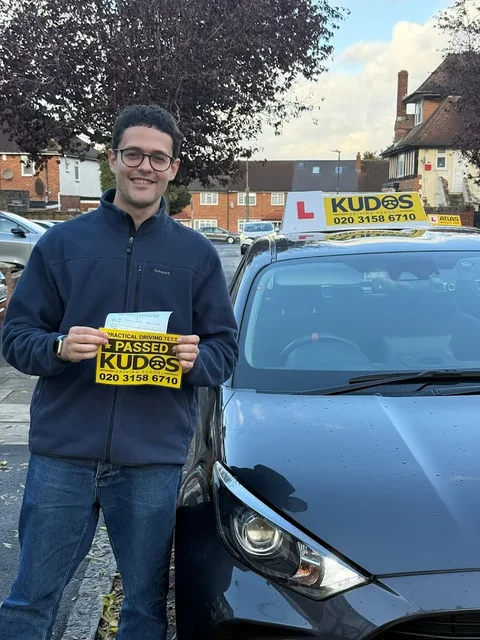
Driving lessons in Putney give learners a structured route into safe, confident driving, built around the roads and traffic conditions found in this part of southwest London. Kudos Driving School runs lessons that reflect the local driving environment, so learners build skills progressively rather than following a generic, one-size-fits-all programme. From the earliest lessons focused on basic vehicle control through to independent driving ahead of a practical test, the pace and content of each lesson are shaped by what the learner actually needs to work on.
This approach suits a wide range of learners, from complete beginners who've never driven before to those with some prior experience looking to continue locally. Nervous learners often find it reassuring to practise on roads close to home, since it removes the added pressure of navigating somewhere unfamiliar while also learning to drive. Learners with an upcoming test date, and those returning to lessons after time away from driving, will also find value in tuition that's grounded in real, local road conditions rather than abstract theory.
The following sections cover what learning to drive in Putney typically involves, including the type of roads and junctions learners are likely to encounter, how lessons are usually structured, and the choice between manual and automatic tuition. It also looks at what to expect from an instructor, how test preparation is approached, and practical considerations around scheduling lessons. The goal is to give a genuinely useful, realistic picture of what learning to drive here actually looks like.
Putney combines residential streets with busier main roads, junctions near local transport links, and a fair amount of general traffic, particularly at peak times. This mix gives learners exposure to a genuinely varied set of driving conditions without needing to travel far from home, which is useful for building well-rounded skills early on. The sections below go into more detail on what this looks like in practice and how lessons are typically approached.

.webp)