
Learning to Drive on Putney's Roads
Putney's road layout offers a realistic mix of driving conditions, from quieter residential streets to busier routes that carry more consistent traffic throughout the day. This variety is genuinely useful for learners, since it allows instructors to introduce new skills gradually, starting on calmer roads before building up to situations that demand quicker judgement and greater awareness of other road users.
Early lessons typically focus on the fundamentals of vehicle control, such as clutch control and gear changes for manual learners, practised in areas with lighter traffic so the learner can concentrate fully on the basics without added pressure. As these core skills become more comfortable, lessons begin to introduce busier roads where junctions, traffic lights and pedestrian activity require the learner to process more information at once.
Junctions and roundabouts feature regularly in local driving, and getting comfortable with these takes repeated, structured practice rather than a single explanation. Learners are usually introduced to simpler junctions first, then progress to more complex ones as their observation skills and timing improve. This step-by-step exposure helps build genuine confidence rather than learners feeling thrown into difficult situations too early.
Parking and manoeuvring are also practised in realistic conditions, including on-street parking and bay parking in local car parks, both of which reflect situations learners are likely to face during everyday driving and their practical test. Instructors typically start with quieter, more forgiving locations before introducing busier ones once the underlying technique is solid.
Taken together, this range of road types means learners aren't repeatedly practising the same limited scenario. Exposure to varied traffic conditions, junctions and parking situations helps build adaptable, steady driving habits that carry over naturally into independent driving once a learner has passed their test.
Manual and Automatic Lessons in Putney
Learners in Putney can choose between manual and automatic lessons, and the better option depends on personal circumstances rather than one being objectively superior. Manual lessons involve mastering clutch control and gear changes, which takes more initial coordination but results in a licence that allows the learner to drive both manual and automatic vehicles in future. Automatic lessons remove this element entirely, letting learners focus more directly on road positioning, hazard awareness and general vehicle control from early on.
For learners who find clutch control particularly difficult, or who know they'll drive an automatic vehicle long-term, automatic lessons can sometimes mean reaching test standard in fewer lessons, since there's one less skill to master alongside everything else. That said, a licence earned through automatic lessons only permits driving automatic vehicles, which is worth weighing against the added flexibility a manual licence provides.
Neither transmission type is universally better, and the right choice really comes down to individual goals, confidence and how the learner expects to drive after passing. Some learners enjoy the additional control manual driving offers, while others prefer the more straightforward early stages that automatic lessons provide. Talking this through with an instructor before starting is a sensible way to decide.
Regardless of transmission choice, the core skills taught in Putney, including road awareness, hazard perception and junction handling, remain largely consistent. The main difference lies in vehicle control rather than the broader driving skills being developed, so learners choosing automatic lessons aren't missing out on the wider skillset needed for confident, safe driving.
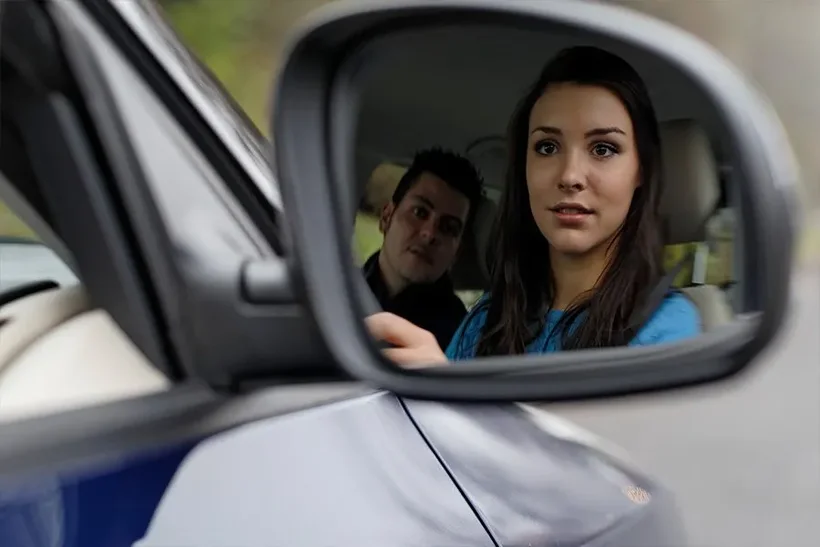
Lessons generally follow a progressive structure, beginning with the basics of vehicle control before moving on to more demanding driving scenarios. Early sessions usually take place in quieter areas, giving learners the space to get comfortable with the controls and understand how the vehicle responds without the added complexity of heavy traffic or complicated junctions.
How Lessons Are Structured for Steady Progress
As confidence builds, lessons start introducing busier roads and more involved situations, such as multi-lane junctions, roundabouts and general traffic flow. This is typically the stage where independent driving skills begin to develop, with instructors gradually stepping back from detailed instruction and encouraging the learner to make more decisions independently, closer to how they'll need to drive once qualified.
The pace of lessons can vary considerably between learners. Some prefer weekly lessons over several months, allowing time to properly absorb each new skill before moving forward, while others opt for a more concentrated schedule to build momentum quickly. Both approaches can work well, and the right choice often depends on the learner's confidence, availability and how quickly they tend to pick up new skills.
In the later stages of learning, the focus usually shifts towards consolidating existing skills rather than introducing much that's new. This might include smoothing out clutch control, tightening up mirror checks, or building more consistent confidence at roundabouts, all of which help reduce small errors that could otherwise affect performance under test conditions.
Throughout this process, regular feedback helps track genuine progress rather than simply counting lessons completed. Instructors typically adjust the pace and focus based on how the learner is actually developing, meaning progress is assessed on real driving ability rather than following a fixed, predetermined number of sessions.
Test preparation in Putney typically centres on practising the specific manoeuvres and driving scenarios learners are likely to face during their practical test. This includes manoeuvres such as parallel parking, bay parking and reversing around a corner, along with a strong emphasis on independent driving, where the learner follows directions from a sat-nav or road signs for part of the test without turn-by-turn guidance from the examiner.
Preparing for the Practical Driving Test
In the weeks leading up to a test, instructors often set up mock test conditions that replicate the format and pressure of the real assessment as closely as possible. This helps learners adjust to being formally observed while driving, which can feel noticeably different from a standard lesson even when the actual driving skills required haven't changed. Getting used to this pressure in advance can make a real difference to performance on the day.
Hazard perception is reinforced heavily during this stage, since examiners are assessing more than just vehicle control, they're looking at whether a learner can anticipate and respond safely to potential hazards. This covers things like judging pedestrian movement near crossings, reading the speed of approaching traffic at junctions, and maintaining appropriate distances in different traffic conditions.
Common areas where learners lose marks include poor positioning at roundabouts, hesitating too long at junctions when it isn't necessary, and lacking precision during manoeuvres like parallel parking. Identifying these patterns early allows lessons to specifically target them, rather than learners encountering these weaknesses for the first time during the actual test.
In the final lessons before test day, the emphasis usually moves towards building confidence rather than introducing new material. Instructors focus on reassurance and fine-tuning small details, helping learners trust the skills they've already developed so they arrive at the test with familiar, well-practised routines rather than last-minute changes to their driving.
A strong working relationship with an instructor makes a genuine difference to how smoothly a learner progresses, since consistent teaching and clear communication help build both skill and confidence over time. Good instructors explain not just how to carry out a manoeuvre or respond to a hazard, but why it's done that way, helping learners understand the reasoning behind safe driving habits rather than simply following instructions by rote.

What to Expect From Your Instructor
Patience matters particularly for nervous learners or those completely new to driving. An approach that treats mistakes as a normal part of learning, rather than something to be anxious about, tends to keep learners motivated and more receptive to feedback, which supports steadier progress across their lessons overall.
Instructors typically adapt their teaching style depending on how an individual learner takes in information best, whether that's through clear verbal explanation, demonstration, or repeated hands-on practice with correction along the way. This flexibility matters because different learners respond differently to the same teaching method, and adjusting accordingly can noticeably affect how quickly someone builds confidence.
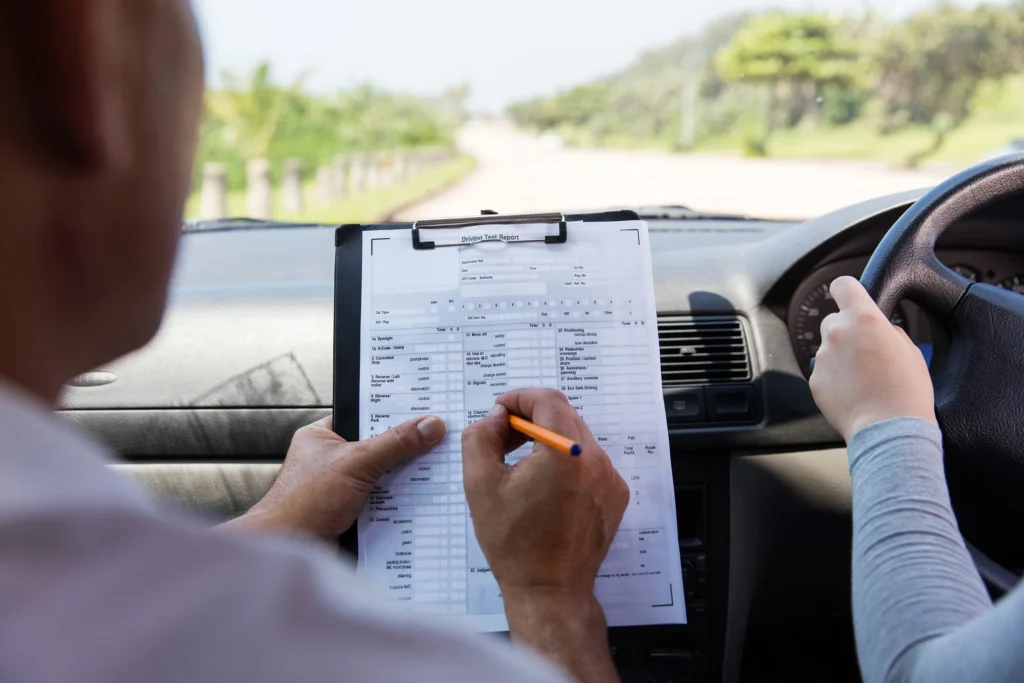
Constructive feedback after each lesson also plays an important role, giving learners a realistic sense of where they currently stand and what needs more attention before the next session. Useful feedback is specific, highlighting exactly what went well and what still needs work, rather than offering vague encouragement or criticism that doesn't help the learner improve.
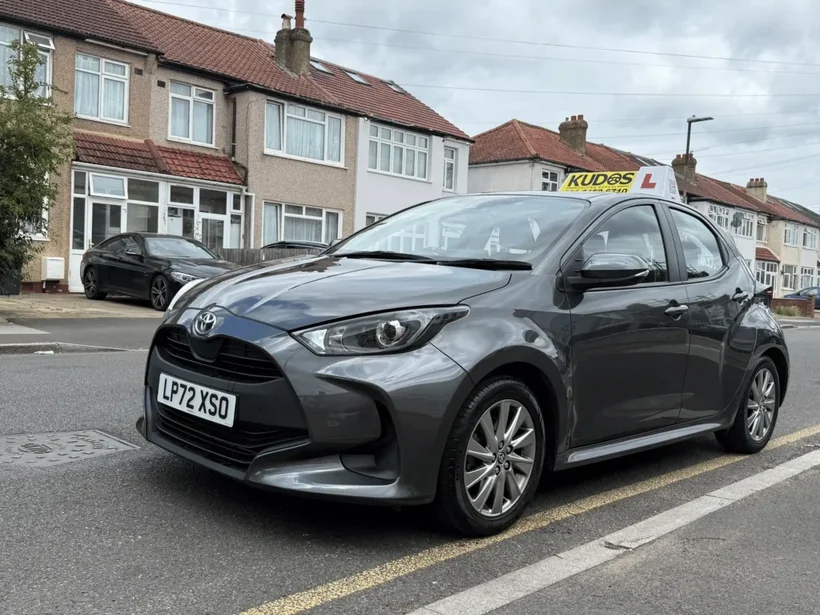
Lessons are usually conducted in dual-controlled vehicles, allowing the instructor to intervene safely if needed, particularly in the earlier stages of learning. This safety net gives both learner and instructor the confidence to practise in a broader range of conditions, including busier roads, sooner than might otherwise feel comfortable.
Lesson frequency is one of the more flexible parts of learning to drive, and the right schedule depends largely on the learner's availability, budget and how quickly they want to reach test readiness. Weekly lessons are a common choice, giving learners time between sessions to reflect on what they've practised and build genuine muscle memory, without feeling rushed into new skills before they're ready.
Choosing a Lesson Schedule That Works for You
Some learners prefer a more intensive approach, booking several lessons per week or opting for a concentrated course over a shorter period. This can work well for those with a specific deadline in mind, such as an upcoming test date, or learners who find that frequent, closely spaced practice helps them retain skills better than longer gaps between sessions. It isn't the right fit for everyone, though, so it's worth considering whether the pace suits the learner's confidence and learning style.
Availability is also a practical factor, particularly for learners juggling lessons around work, study or family commitments. Flexible scheduling can make it easier to fit lessons in consistently, which generally supports steadier progress compared with irregular sessions that make it harder to build on what was covered previously.
The number of lessons needed to reach test standard varies considerably from one learner to another, shaped by factors such as prior experience, natural confidence behind the wheel, and how often lessons take place. Rather than working towards a fixed number of hours, it's more useful to focus on genuine readiness, judged through consistent performance across a range of driving conditions rather than simply completing a set course length.
Discussing scheduling preferences with an instructor early on allows lessons to be planned around what genuinely works for the learner, rather than being forced into a rigid structure. This conversation is also a useful opportunity to set realistic expectations around timelines, particularly for learners working towards a specific test date or managing limited availability.
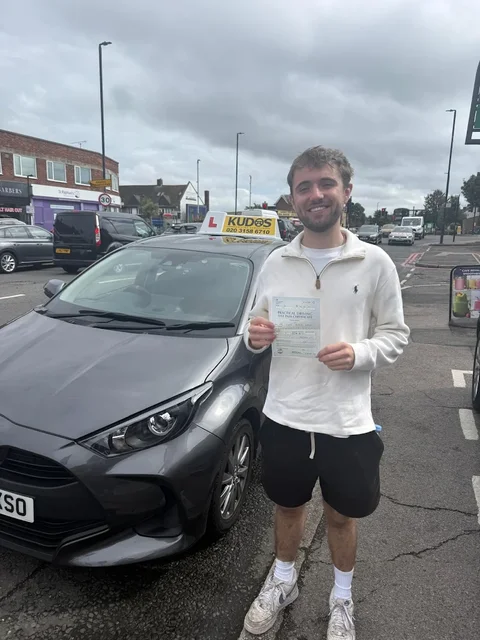
Driving lessons in Streatham are shaped by the area's busy high street, steady traffic flow, and mix of residential side roads, giving learners a realistic environment to build skills that transfer directly to everyday driving. Kudos Driving School provides structured tuition for learners at every stage, from those getting behind the wheel for the first time to drivers refining their skills ahead of the practical test. Lessons are planned around the individual, with routes and pace adjusted according to existing ability and confidence.



.webp)